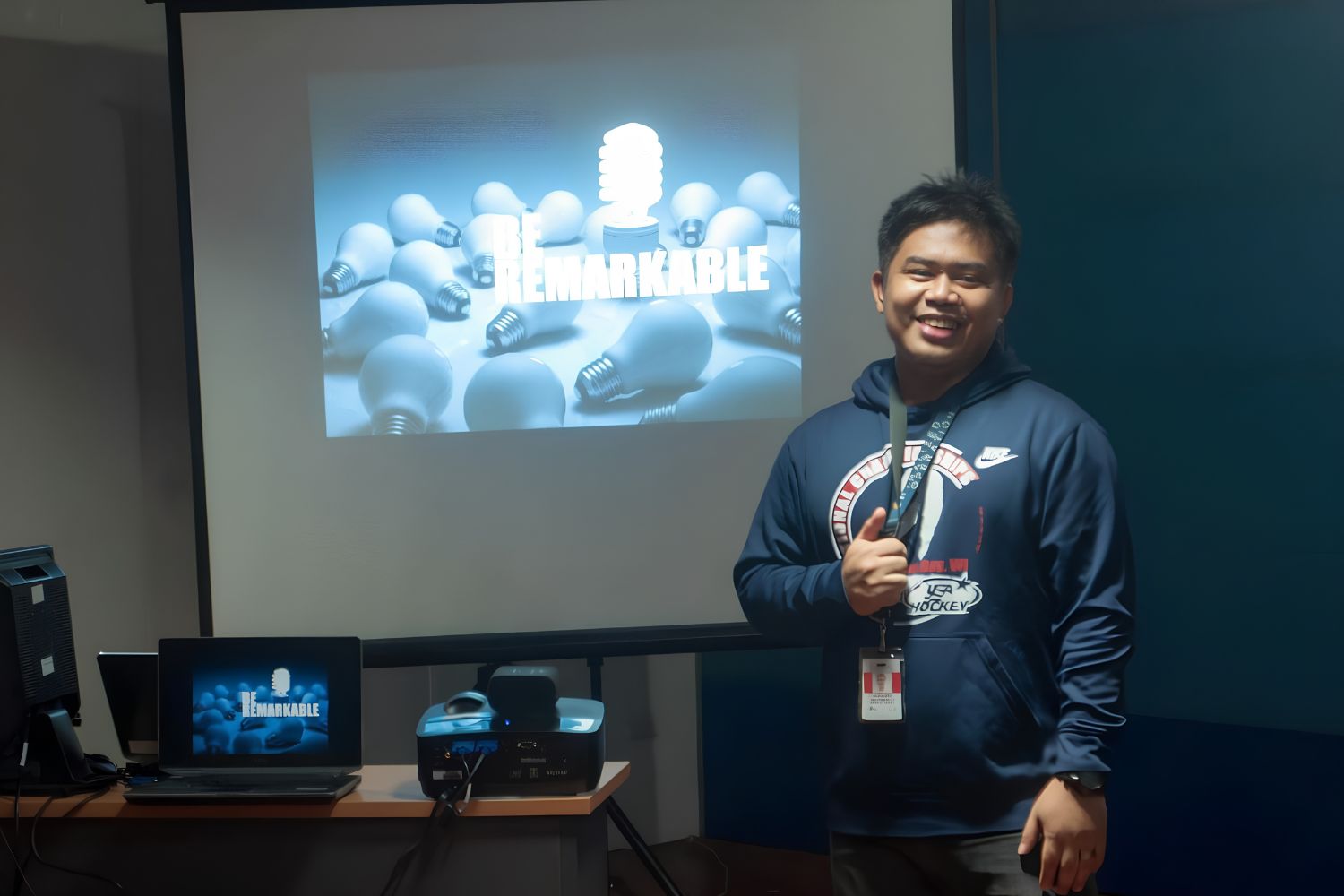


There was a period in my life where Joise and I were doing everything at the same time.
We were working full time in the BPO. We were running Where in Pampanga. We had four branches of a donut franchise at its peak. We tried real estate as agents. We became financial advisors for a year. We attempted to launch an app startup.
All of it.
And here is what that actually felt like — I was running and chasing something, but that something was not defined well. Our attention was spread out too thin. We were busy all the time but not always moving in a clear direction.
That experience taught me something I now use every time a new opportunity appears.
Knowing how to evaluate business opportunities is not just a business skill. It is a life skill.
The Real Cost of Saying Yes to Everything
Most people think that trying many things is the same as making progress.
It is not.
Progress requires focus. And focus requires making a choice — not just about what you are doing, but about what you are willing to stop doing.
When your attention is divided across too many commitments, none of them get the full version of you. The donut business needed focus. Where in Pampanga needed focus. The BPO needed focus. And we were giving pieces of ourselves to all of them simultaneously.
You cannot say yes to everything. And more importantly — you should not.
The Questions Joise and I Ask Before Saying Yes
Today when a new opportunity comes to us, we do not decide alone and we do not decide fast.
Joise and I ask ourselves three questions together.
The first question is the most important one — do we really want to engage with this for a very long time? Not just for the excitement of starting something new. For the long run. Because real commitment is not measured in weeks. It is measured in years.
The second question is about direction — is this going toward the life we want to live? Every opportunity has a direction. Some move you closer to the person you are becoming. Some pull you sideways. And some quietly pull you backward without you realizing it until you are already deep in.
The third question is about distance — how far or how close is this to what we are already doing? The further an opportunity is from our current skills, relationships, and systems, the more it will cost us to pursue it. That cost is not just money. It is time, energy, and focus taken away from what is already working.
Three questions. Every time. Before we say yes to anything.
Why We No Longer Feel Guilty Saying No
There was a time when saying no felt like missing out. Like closing a door that might not open again.
That feeling is real. And I understand why it keeps people saying yes to things they should walk away from.
But after years of experience — after trying many things and learning what focus actually produces — that guilt is gone.
Because I have seen what happens when you say yes with full commitment to the right things. And I have seen what happens when you spread yourself thin trying to hold everything at once.
The right no makes the right yes more powerful.
Saying no to what does not fit is not a loss. It is how you protect what actually matters.
The One Thing You Need to Accept First
Before you can start evaluating opportunities honestly — before you can say no without guilt and yes with full commitment — you need to accept one thing.
You cannot say yes to everything. And you should not.
Not because you are not capable. But because your time, your energy, and your focus are finite. Every yes costs something. And the most important opportunities in your life deserve the full version of you — not whatever is left after you have already given pieces of yourself to ten other things.
Define the direction you want your life to go. Hold every opportunity up against that direction. And trust that the right ones will still be there after you have asked the hard questions.
Because the opportunities worth taking can survive a little scrutiny. The ones that cannot — you did not need them anyway.