We live in a world that is obsessed with speed.
Move fast. Launch now. Scale quickly. Be first. Get there before everyone else does. The whole culture of entrepreneurship has been quietly built around the idea that speed is the ultimate virtue and whoever moves fastest wins.
And sometimes that is true.
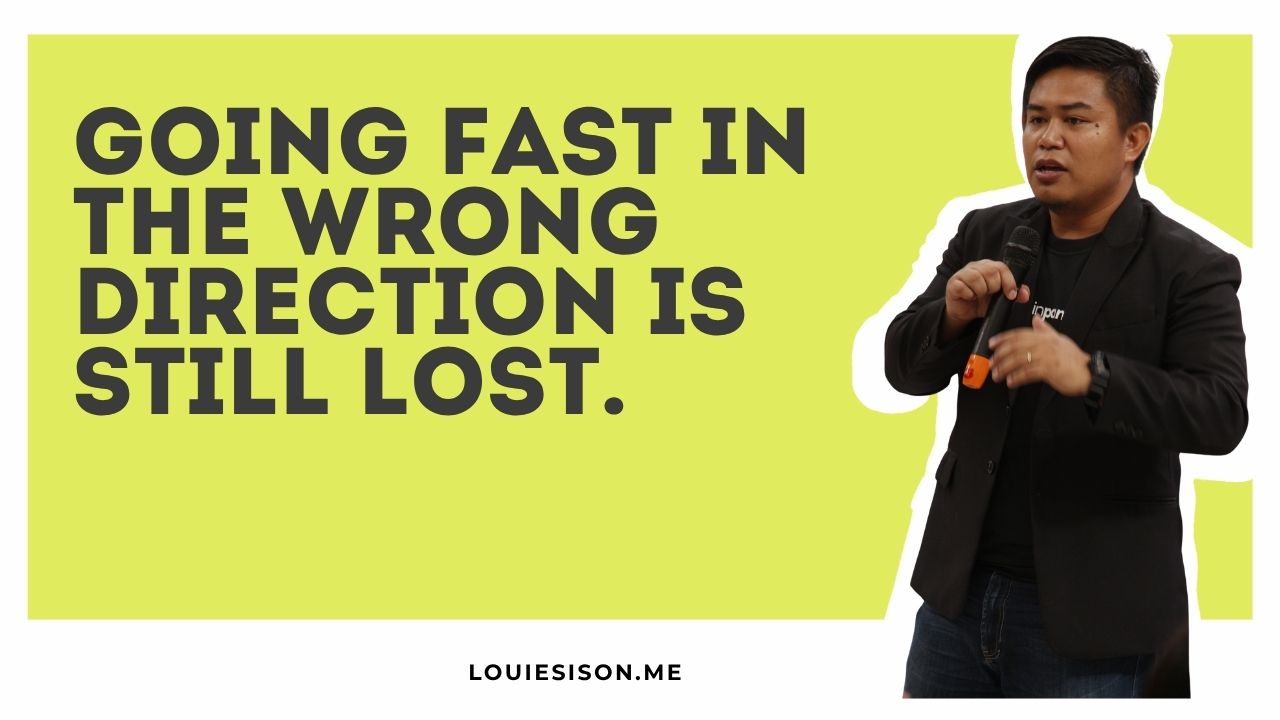
But sometimes the person moving fastest is just getting more efficiently lost.
I have watched talented, hardworking, deeply committed people sprint their way into the wrong career, the wrong business model, the wrong market, the wrong relationship, the wrong version of their life. Not because they were lazy. Not because they lacked discipline or drive or ambition.
Because they optimized for speed before they settled the question of direction.
And fast in the wrong direction does not get you where you want to go. It just gets you further from it more quickly.
Speed Is a Tool. Direction Is a Decision.
Here is the distinction that changed the way I think about progress.
Speed is a tool. It is something you apply once the more important variables are already in place. Once you know where you are going, once you have confirmed the vehicle is right, once the direction has been honestly evaluated, then yes, go fast. Apply everything you have. Full acceleration.
But direction is a decision. And it is a decision that has to come first.
A car with a full tank of gas and a powerful engine is only useful if it is pointed somewhere worth going. The fuel and the horsepower are completely irrelevant if the car is headed toward a cliff.
Most people spend enormous energy on the fuel and the horsepower and almost no time honestly evaluating whether the car is pointed in the right direction.
The Seduction of Busyness
There is something about being busy that feels like progress.
The full calendar. The back to back meetings. The constant motion. The exhaustion at the end of the day that feels like evidence of hard work and commitment. Busyness has a way of creating the feeling of momentum even when nothing is actually moving forward.
And that feeling is dangerously comfortable.
Because as long as you feel busy you can avoid the one question that actually matters. The question that requires you to slow down, get quiet, and be brutally honest with yourself.
Is what I am doing every day actually taking me where I want to go?
Not is it keeping me occupied. Not is it making me feel productive. Is it genuinely moving me in the direction of the life and the business and the results I actually want?
That question is uncomfortable because sometimes the honest answer is no. And no means change is required. And change is hard and uncertain and involves admitting that some of the speed you have been applying has been wasted.
But knowing is always better than not knowing. Even when what you learn is difficult.
How to Check Your Direction
This does not have to be a complicated exercise.
Sit down with a piece of paper and write out what you actually want. Not what you think you should want. Not what sounds impressive. What you genuinely, honestly want your life and your business to look like in five years.
Then look at how you spent last week.
Not how you planned to spend it. How you actually spent it. Where did the hours go? What did you build? What did you move forward? What conversations did you have and what decisions did you make?
Now ask the honest question. Is last week’s version of you walking in the direction of that five year picture?
If yes, accelerate. Add more fuel. Go faster. You have the direction right and speed now becomes your friend.
If no, do not accelerate. Accelerating in the wrong direction is not courage. It is expensive stubbornness.
Slow down. Recalibrate. Get the direction right first. Then go fast.
The Courage to Slow Down
This is the part nobody talks about because it goes against everything the hustle culture has taught us.
Sometimes the most productive thing you can do is stop.
Not permanently. Not out of fear or laziness or avoidance. But strategically. Intentionally. With the specific purpose of lifting your head up from the work long enough to evaluate whether the work is pointed at the right destination.
The farmer who plows in the wrong field does not solve the problem by plowing faster. He solves it by stopping, assessing, and redirecting his effort to the right field. The stopping feels counterproductive in the moment. It is actually the most productive thing he can do.
Giving yourself permission to pause and evaluate direction is not a sign of weakness. It is one of the most underrated skills in business and in life.
The people who build things that last are not always the fastest. They are the ones who get the direction right and then apply their speed to something that was actually worth building.
A Small Thing Worth Doing This Week
Block out one hour this week with no agenda other than this.
Sit somewhere quiet. No phone. No notifications. No inputs. Just you and a blank page.
Write down where you are trying to go. Then write down honestly where your current daily actions are actually taking you.
If those two things are aligned, you are in good shape. Keep going and pick up the pace.
If they are not aligned, that one hour just became the most valuable hour you have spent in a long time.
Because direction, once corrected, makes everything that comes after it more powerful.
Speed is great.
But only after you know where you are going.
Louie
When was the last time you slowed down long enough to honestly check if your daily actions are pointed at the right destination? Maybe this week is the week.