
When the pandemic hit and my company put me on floating status, I did not know how long it would last.
No work. Uncertain income. Fifteen years of loyalty to a company — and suddenly, no guarantee of anything.
Most people would call that a crisis. And in many ways, it was.
But those 6 months turned out to be the most important period of my professional life. Not because something dramatic happened. But because of what Joise and I chose to do with ordinary time that most people would have spent worrying.
If you are in a career break right now — whether by choice or by force — this article is for you.
What those 6 months actually looked like
I want to be honest about what a typical day looked like during that period — because it was not glamorous.
We could not go out. Lockdown restrictions meant we stayed home. So we brought the work to us.
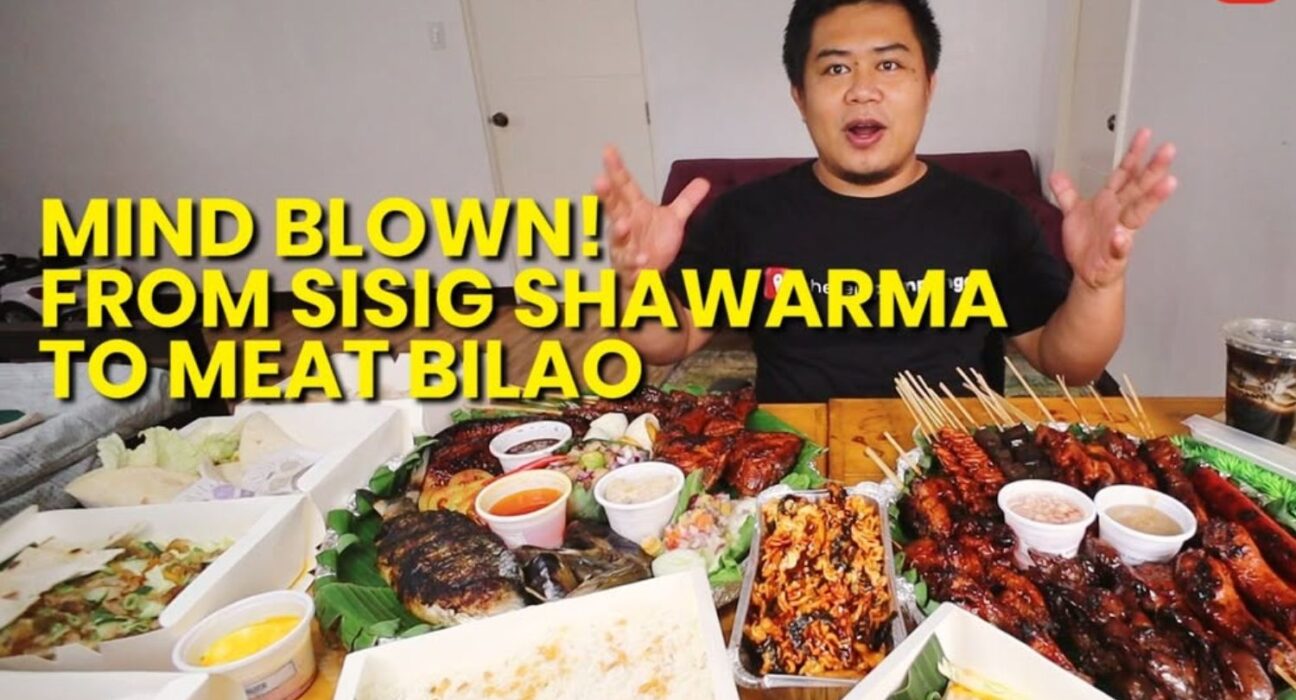
Businesses would message us and send their products to our address for photo and video shoots. Our home became our studio. Joise handled all the backend — answering inquiries from clients and the community, managing our inbox, and keeping operations running smoothly. I placed myself at the front — the one behind the camera, on location when allowed, and in front of it when needed.
At the same time, I used the extra hours to study. I learned Laravel, a web development framework. I studied photo and video capturing — cinematic shots, angles, composition, and the technical side of working with a DSLR camera. Skills I had been wanting to build for a long time but never had the hours for.
Those were not wasted days. Those were investment days.
The decision that changed how we operated
During those 6 months, Joise and I made a clear decision — to stop treating Where in Pampanga like something we did on the side and start treating it like the real business it was becoming.
That meant dividing our roles clearly. Joise took over backend operations. I focused on production and content. We stopped doing everything informally and started operating with structure.
It was not a dramatic boardroom decision. It was a quiet agreement between two people sitting at home during a pandemic, choosing to build something instead of waiting for things to go back to normal.
That choice made all the difference.
The part nobody talks about — it was exhausting
Here is the part of this story I want to be honest about.
Those 6 months were some of our most profitable. Clients kept coming. The business was growing. On paper, everything looked great.
But we were tired.
The volume of clients and required outputs was overwhelming. I was literally overfed — businesses sending food products for shoots meant we had more food than we could handle. The day-to-day routine was relentless. And because lockdown restrictions meant we could not go anywhere, there was no outlet. No break. No breathing room.
Transformation is not always exciting while it is happening. Sometimes it just feels like a lot of hard work with no clear end in sight.
But we kept going. Because the alternative — doing nothing and staying stuck — was not something either of us was willing to accept.
What the people around us thought
There was some concern from family and friends about what would happen when the company called me back. How would I explain not returning? Was I making the right call?
But the support was stronger than the concern. The people closest to us could see what we were building. And that mattered more than the doubts.
What I want you to hear if you are in a career break right now
I am not going to pretend that losing a job or being in a career break does not hurt. It does. The uncertainty is real. The fear is real. I understand that.
But here is what I also know:
Doing nothing about it and staying demotivated will not solve the problem.
The 6 months that changed everything for me were not special because something lucky happened. They were special because Joise and I chose to stay open to the opportunity that a difficult situation had quietly placed in front of us.
Your career break is not a dead end. It is a blank page.
The question is not when things will go back to normal. The question is what you are going to build while you wait — or better yet, instead of waiting.
You do not need a dramatic turning point. You just need to start with today.